






How Long Does it Take to Charge an Electric Vehicle?
Electric vehicles (EVs) are becoming more common on the roads as people increasingly turn to cleaner, greener alternatives to traditional petrol and diesel cars. But if you’re new to the world of EVs, you might have some questions about the charging process – and one of the most common is, how long does it take to charge an electric vehicle?
The time it takes to charge an EV depends on several factors, including the type of charger you use, the size of your car's battery, and how much charge is left when you plug in. In this blog post, we’ll explain the different factors that influence charging time and help you understand how long it will take to charge your electric vehicle, whether you’re at home or out and about.
The Different Types of EV Chargers
The first thing to know is that there are three main types of chargers for electric vehicles: slow chargers, fast chargers, and rapid chargers. The charging time for each of these varies significantly, so understanding the difference is important when planning how long it will take to fully charge your vehicle.
1. Slow Chargers (3kW)
Slow chargers are typically used for overnight charging at home. These are the most common type of charger you’ll find in domestic settings and are often installed in your garage or driveway. A slow charger will take longer to charge your vehicle, but if you’re charging overnight, the time is usually not an issue.
On average, a slow charger can add around 3 to 4 miles of range per hour of charging. So, if your EV has a battery capacity of 40kWh and you’re looking to fully charge it from 0%, you’re likely to need 10-12 hours of charging time.
While slow chargers are great for overnight or emergency use, they are not the quickest option when you're looking to top up your EV during the day.
2. Fast Chargers (7kW)
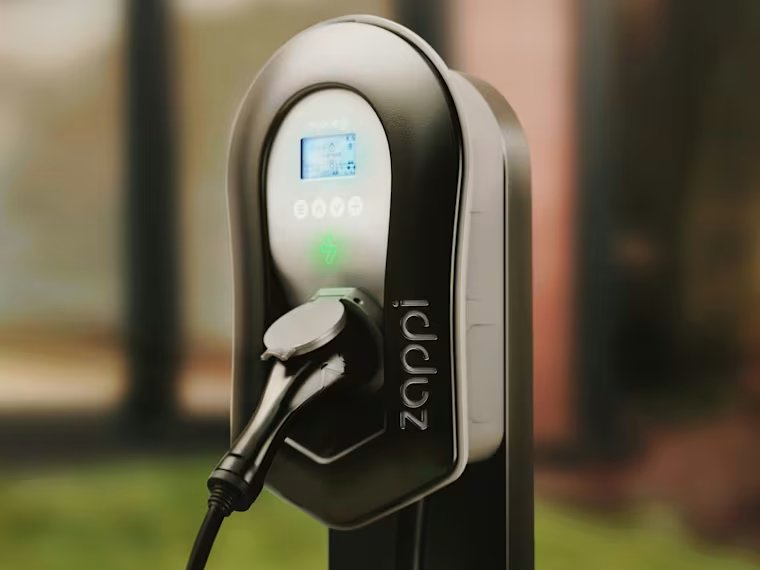
Fast chargers are typically found at home, workplaces, and public charging points. They’re faster than slow chargers but still not as quick as rapid chargers. Most home chargers installed by electric vehicle owners are either 7kW or 22kW units. Fast chargers provide about 7-22 miles of range per hour, depending on your vehicle and charger.
A 7kW charger can typically add 25 to 30 miles of range per hour of charging, so for a vehicle with a 40kWh battery, expect it to take around 5 to 6 hours to charge from empty to full. For drivers using fast chargers during the day at work or while out and about, you can expect a significant boost to your range within a few hours.
3. Rapid Chargers (50kW or higher)
Rapid chargers are the fastest option and can be found at public charging stations, typically along motorways or major roads, where drivers need to quickly top up their vehicles. A rapid charger can add anywhere between 50-150 miles of range per hour, depending on the charger’s power output and the compatibility with your vehicle.
A rapid charger will take between 30 minutes to 1 hour to fully charge an EV’s battery, making them the best choice for long-distance travel or when you need a quick charge to get back on the road. However, not all electric vehicles can charge at the maximum rate of 50kW or 150kW – some are limited by the vehicle’s charging capabilities. This is important to check when planning long journeys or looking for quick charges.
Factors That Influence Charging Time
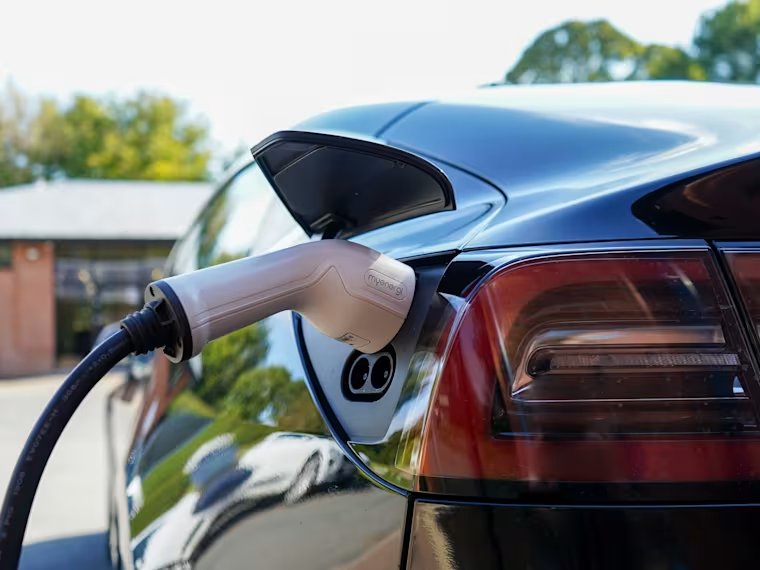
While charger types play a role in determining how long it will take to charge your EV, there are several other factors that come into play. These can either speed up or slow down the charging process, and it’s important to keep these in mind when planning your charge.
1. Battery Size
One of the biggest factors in determining how long it will take to charge an EV is the size of the battery. A vehicle with a larger battery will take longer to charge, even when using the same type of charger. For example, a small city car like the Nissan Leaf with a 40kWh battery will take less time to charge than a larger vehicle like the Tesla Model X, which comes with a 100kWh battery.
2. Battery State of Charge (SoC)
The current charge level of your vehicle’s battery will also affect how long it will take to charge. If you’re starting with a near-empty battery (say 10-20%), the charging process will take longer to fill up the battery to 100%. However, if your battery is already 50% charged, the remaining time to full charge will be shorter.
It’s also important to note that most EVs don’t charge linearly. The charging process is faster when the battery is low and slows down as it gets closer to full. This is why it may take the same amount of time to go from 10% to 80% as it does to go from 80% to 100%.
3. Charging Speed of the Vehicle
The speed at which your EV can charge depends on the car’s onboard charger. Every vehicle has a built-in charger that determines the maximum rate it can accept power from the charging source. For instance, a car with a 7kW onboard charger will charge faster on a 7kW or faster charger than a car with a 3kW onboard charger.
It’s important to note that if you’re using a charger that provides more power than your car can handle, your car will only charge at the maximum speed it’s designed for. This means your 22kW charger will be limited to 7kW if your EV can’t handle the higher speed.
4. Temperature
Temperature plays an important role in the efficiency of charging. EV batteries function more efficiently in moderate temperatures, so during cold weather, charging times can increase. On the other hand, in very hot conditions, your vehicle might need to limit its charging rate to protect the battery from overheating.
If you’re using a rapid charger in winter, you may find the charging process takes longer, as the battery management system works to keep the battery at an optimal temperature.
How to Plan Your Charging
When planning how long it will take to charge your EV, you need to know your charging options and typical charging times. If you're charging at home, you may be able to charge overnight using a slow charger. If you’re out and about, look for public charging stations that offer fast or rapid charging to top up your vehicle while you run errands.
1. Home Charging
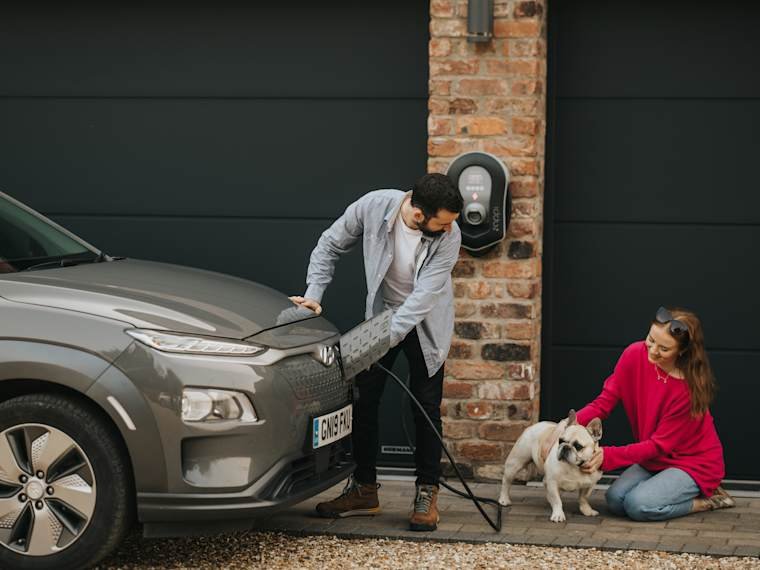
Most EV owners charge their vehicles at home. If you have a 7kW home charger, it will typically take around 5 to 6 hours to fully charge an EV with a 40kWh battery. For longer-range EVs, such as the Tesla Model S with a 100kWh battery, you might need overnight charging to reach a full charge.
For ease, you can plan your charging around your daily schedule, ensuring you plug in your car overnight and wake up to a fully charged vehicle each morning.
2. Public Charging
For those on the go, public fast and rapid chargers are available across the UK. When using a rapid charger, you can expect a significant increase in range in just 30 minutesto an hour. This makes them ideal for quick top-ups during long journeys, particularly when travelling on motorways or through areas with limited home charging options.
3. Workplace Charging
If you work in a location that offers charging stations, you can take advantage of workplace charging to top up your vehicle during the day. Many offices now offer 7kW fast chargers, which will give you a decent amount of charge in just a few hours while you’re working.
How Long Will It Take to Charge Your EV?
To recap, here are some estimates for how long it takes to charge an EV based on the charger type, battery size, and current charge level:
- Slow Chargers (3kW): Adds 3-4 miles of range per hour. Full charge for a 40kWh battery may take 10-12 hours.
- Fast Chargers (7kW): Adds 25-30 miles of range per hour. Full charge for a 40kWh battery takes 5-6 hours.
- Rapid Chargers (50kW): Adds 50-150 miles of range per hour. Full charge for a 40kWh battery can take 30 minutes to 1 hour.
Conclusion
The time it takes to charge an electric vehicle varies depending on several factors, including the type of charger, battery size, and current charge level. As EV technology continues to improve, charging times are getting shorter, making electric vehicles more convenient for daily use and long journeys.
There are plenty of options to ensure your electric vehicle is ready when you need it whether you’re charging at home, at work, or on the go and with the growing network of public charging stations and advances in charging technology, keeping your EV charged and ready to go has never been easier.
At Baden Powell, Scunthorpe, we’re here to help you understand everything you need to know about electric vehicles, including charging times, range, and more. If you’re in Lincolnshire (or further afield!) and considering an electric vehicle, feel free to pop into our dealership in Scunthorpe or give us a call on 01724 867474 for advice or to explore our wide range of electric cars. Our friendly team of EV specialists are committed to helping you make the switch to cleaner, greener driving and will be happy to guide you through your options and answer any questions you may have.